
Cananga Essential Oil Botanical Name: Cananga odorata Common Method of Extraction: Steam Distilled Color: Pale Yellow Consistency: Thin Perfumery Note: Middle Strength of Initial Aroma: Medium |
Aromatic Description: Resembling ylang ylang in aroma, cananga is sometimes used as an economical substitute in fragrancing applications. Floral, sweet, slightly woody.
 | 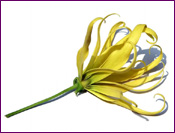 |
| Cananga |
| |
Cananga Oil Uses: Oily skin/hair, insect bites, high blood pressure, anxiety, nervous tension, stress, fragrancing. [Julia Lawless, The Illustrated Encyclopedia of Essential Oils (Rockport, MA: Element Books, 1995), 56-65; 103.]
Constituents: Caryophyllene, benzyl acetate, benzyl alcohol, farnesol, terpineol, borneol, geranyl acetate, safrol, linalol. [Julia Lawless, The Illustrated Encyclopedia of Essential Oils (Rockport, MA: Element Books, 1995), 103.]
Safety Information: Lawless indicates that Cananga Oil is primarily non-toxic, but should be used with caution on those with sensitive skin. [Julia Lawless, The Illustrated Encyclopedia of Essential Oils (Rockport, MA: Element Books, 1995), 103.]
Important Note: The essential oil information provided within the Essential Oil Properties & Profiles area is intended for educational purposes only. This data is not considered complete and is not guaranteed to be accurate.
General Safety Information: Do not take any essential oils internally without consultation from a qualified aromatherapy practitioner. Do not apply undiluted essential oils, absolutes, CO2s or other concentrated essences onto the skin. If you are pregnant, epileptic, have liver damage, have cancer, or have any other medical problem, use essential oils only under the proper guidance of a qualified aromatherapy practitioner. Use extreme caution when using oils with children and give children only the gentlest oils at extremely low doses. It is safest to consult a qualified aromatherapy practitioner before using essential oils with children. A skin patch test should be conducted prior to using an essential oil that you’ve never used before. Instructions on conducting a skin patch test and more safety information can be found by visiting the Essential Oil Safety Information page. For very in-depth information on essential oil safety issues, read Essential Oil Safety by Robert Tisserand and Tony Balacs.