Acne,
Glycolic Acid vs. Salicylic Acid – Which Works Better as an Acne Treatment?
A chemical skin peel is an effective method used to rejuvenate the skin, treat acne, and improve the skin’s overall appearance. While glycolic facial peels and salicylic acid peels were at one time solely performed by dermatologists, physicians, or skin care professionals, there are now at home peels which are just as effective and yet much less expensive. When it comes to acne, these two common face peels both have their advantages. Glycolic Acid Peels The alpha-hydroxy acid, Glycolic acid, which is derived from sugar cane, is the smallest AHA molecule. Glycolic acid penetrates the skin quickly and easily to break up the dead skin cells on the surface of the skin to exfoliate and rejuvenate the skin. Newer skin cells are uncovered and with continued use, glycolic facial peels will increase skin cell turnover and boost collagen production. This same shedding of surface skin also clears the pores of blackheads and debris which results in an improvement of acne. Glycolic acid is one of the most effective acne treatments available and overall is considered to be relatively mild so as not to irritate the skin too badly. Glycolic peels provide gradual improvement with continued used over a period of weeks. Glycolic facial peels are safe for nearly all skin types and come in varied strengths starting at 10%. This allows those who want to use at home peels to find the right glycolic acid peel best suited for their own skin.
Salicylic Acid Peels Whereas glycolic acid is an alpha-hydroxy acid (AHA), salicylic acid is a beta hydroxy acid (BHA) which is derived from hearts of sweet bark & willow tree bark. In the skin care industry, salicylic acid products are used as a topical acne treatment and a chemical peel. Salicylic acid has been proven effective as an anti-inflammatory agent that also has the ability to dissolve and clear out sebum found in the pores. It is a bit stronger and involves a less gradual process than glycolic acid but for those with sensitive skin it can be used in lower strength concentrations in cases where glycolic acid peels are not well tolerated. As an added benefit when used regularly, salicylic acid products help protect skin from sun damage as it has the ability to absorb ultraviolet rays. Salicylic acid peels should not be used as often as the glycolic acid peels, as the peeling effects last a bit longer. When using salicylic acid peel products, it is recommended that you take a break in treatment after a period of use for best results. As the Saint Louis University School of Medicine published in a study where glycolic acid and salicylic acid were compared in effectiveness at treating acne stated, “both types of treatments were similarly effective” for improving facial acne. If you have more sensitive skin, you can try a course of glycolic peels first and if you find you are not tolerating it well or are not happy with the results, move on to salicylic acid peels instead. Tags: Acne, acne control, at home peels, chemical peel, chemical skin peel, face peels, glycolic acid, glycolic acid products, glycolic facial peel, glycolic facial peels, glycolic peel, glycolic peels, glycolic treatment, salicylic acid, salicylic acid chemical peel, salicylic acid facial peel, salicylic acid peel products, salicylic acid peels, salicylic peel, the best glycolic acid
What is the Best Chemical Peel Treatment for Anti-Aging?
Chemical peel treatments are a great way to erase the lines of time – as in those fine lines and wrinkles that you have been wanting to get rid of. There are a variety of different at home peels you could try for anti-aging. Some of the varieties of face peels are described below to help you decide which one is right for you. Light Chemical Peel – Light face peels are those in the alpha-hydroxy acids (AHA) and the beta-hydroxy acids (BHA) category. These include glycolic acid peels, salicylic acid peels, and lactic acid peels. These can be performed either by a skin care professional such as an aesthetician or dermatologist or with a chemical home peel kit. With a light chemical peel, there is no need to be given anesthesia. You will experience only a slight sting but no pain. These types of acid peels take just 10 to 15 minutes each. After an AHA or BHA chemical skin peel, you will see the skin begin to slough off and may notice a mild redness for a day or two at which point you can resume your daily routine. Six to twelve at home peels are needed to see significant results depending on your own skin condition.
Moderate Chemical Peel – Medium chemical peel treatments commonly use an ingredient referred to as Tricholoroacetic Acid (TCA). Sometimes with a TCA peel, anesthesia is given but the peel itself is said to have a numbing effect. It gives off a very warm sensation which some individuals may find uncomfortable. A Jessner peel is also a commonly used medium chemical peel which is a combination of glycolic acid, salicylic acid, and resorcinol. Medium chemical peels do not need to be performed as much or as often as light chemical peels for great results. They are only recommended every three to six months for best results. TCA and Jessner peels are great for all skin tones, even olive and darker complexions which is a great benefit when dramatic results are desired more quickly. Deep Chemical Peel – These deeper face peels will deliver the most dramatic results given that they use the most powerful chemical peel solution available and are solely performed by a doctor or skin care professional. Deep peel solutions are not available over the counter and should not be attempted by the chemical home peel user. Chemical skin peels are truly one of the most effective methods to improve the appearance of wrinkles. recommends trying these glycolic acid peels, salicylic acid peels, and lactic acid peels for your anti-aging skin care treatments.
Tags: acid peels, at home peels, chemical home peel, chemical peel, chemical skin peel, face peels, glycolic acid, glycolic facial peel, glycolic facial peels, glycolic peel, glycolic peels, glycolic treatment, jessner peel, jessner peels, lactic acid, lactic acid peels, salicylic acid, salicylic acid chemical peel, salicylic acid facial peel, salicylic acid peels, salicylic peel
What Type of Chemical Peel Should I Try?
Are you thinking about trying a chemical skin peel and wondering where to start? There are many different kinds of home face peels. One formula might be better suited for your skin than another – how do you know what to choose? One important factor in the differences in home face peels is the pH level. Your skin is made up of several different components, including water, protein, lipids, minerals and chemicals. The protein in your skin is sensitive to the level of pH with which it comes in contact. When the skin’s proteins react with an acid, they are broken down – and this is exactly what a chemical peel strives to do. Existing skin tissues are destroyed, and new tissue grows to replace the old. Products with a low pH feature a stronger acid. This means that high pH products offer increased breaking down of old skin and growth of new skin tissues. Conversely, products with a high pH contain a weaker acid, resulting in a more gentle reaction with existing skin and slower growth of new skin tissues. If you’re trying a chemical peel for the first time, or if you have sensitive skin, you might want to start out by choosing a product with a higher pH. Skin Rx’s 15% Glycolic Smoothing Gel features a pH of 3. Even if your skin is sensitive, 15% Glycolic Smoothing Gel can be used several times a week as a peel – simply apply to clean, dry skin and remove after 5-10 minutes. Those with less sensitive skin can leave it on for maximum results.
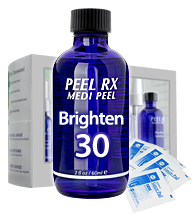
If you’re ready for a stronger formula, try 30% Glycolic Acid. With a lower pH (1.9), our 30% Glycolic Acid offers a professional strength peel. Skin Rx’s formula features pharmaceutical grade quality and is made from natural fruit acids (alpha hydroxy acids). Our Glycolic Acids are available in convenient kits, which include our Peel, Pre-Peel Prep, fan brush applicator, and dispensing dish, enclosed in a zippered bag for ease and convenience. Tags: at home peels, chemical peel, chemical skin peel, glycolic acid, glycolic acid products, glycolic facial peel, glycolic peel, glycolic peels, glycolic treatment, professional strength glycolic, sensitive skin, the best glycolic acid