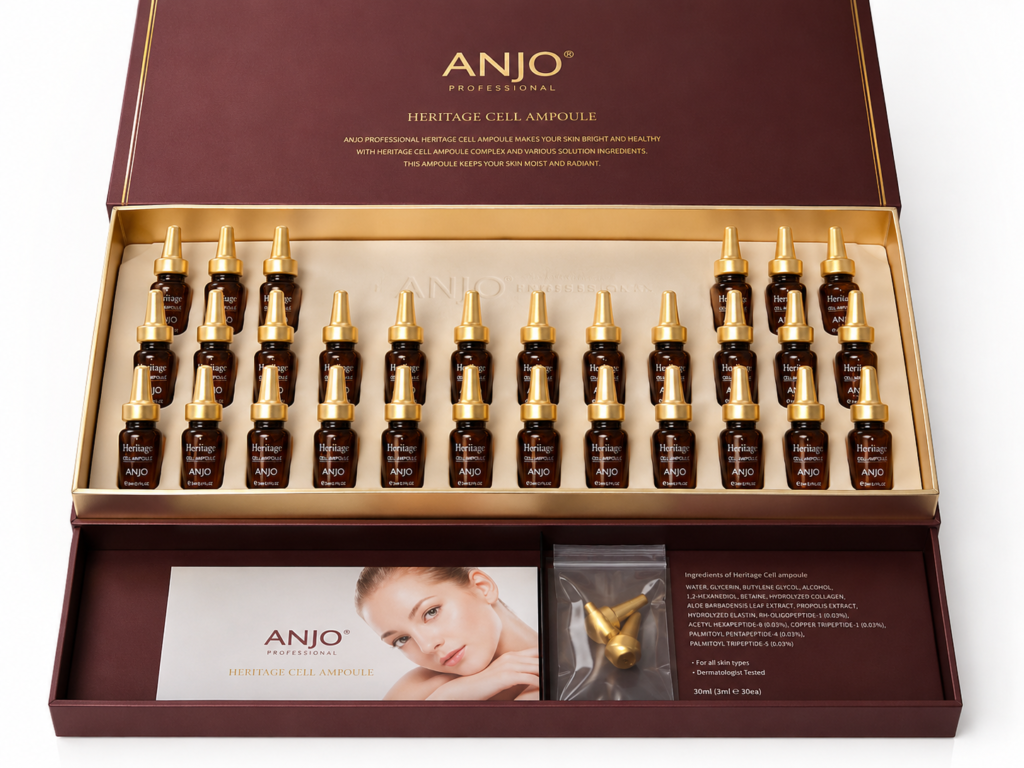
Hyaluronan is a common ingredient in skin-care products.
In 2003, the FDA approved hyaluronan injections for filling soft tissue defects such as facial wrinkles. Restylane is a common trade name for the product. Hyaluronan injections temporarily smooth wrinkles by adding volume under the skin, with effects typically lasting for six months.
Juvéderm is a bacterial hyaluronic acid injectable filler, similar to Restylane, but differing slightly in terms of effect and longevity. It is used for lip augmentation, reduction of folds and wrinkles, and removal of scars. The effects of Juvéderm treatments are also temporary, and costs are similar to those of Restylane.[68]
Until recently, such hyaluronic acid fillers were injected using a classic sharp hypodermic needle, cutting through nerves and vessels, causing pain and bruises to the patient. In 2009, pioneers discovered a new technique using a blunt-tip microcannula. This technique consists of puncturing the skin with a sharp needle, then sliding the flexible and atraumatic blunt-tip microcannula under the skin, sparing nerves and vessels, therefore causing much less bruising.[69]
The presence of hyaluronic acid in epithelial tissue has been shown to promote keratinocyte proliferation and increase the presence of retinoic acid, effecting skin hydration. Hyaluronic acid’s interaction with CD44 drives collagen synthesis and normal skin function. Present in the extracellular matrix of basal keratinocytes, hyaluronic acid is critical to the structural integrity of the dermal collagen matrix. These benefits make hyaluronic acid a very effective topical humectant; however, results may only be sustained as part of an ongoing treatment program.
Xem thêm:
Bài viết cùng chủ đề:

Serum chiết xuất từ thiên nhiên – Made in Korea

FUCOIDAN NHẬT – TĂNG CƯỜNG MIỄN DỊCH
-
What is Salicylic Acid?
-
what is glycolic acid
-
What is Collagen?
-
what is cocoa butter?
-
What is a Material Safety Data Sheet (MSDS)?
-
Vitamin A (Retinol)

LAVENDER /DAU OAI HUONG /
-
Prescription Medications for Treating Acne

NGHE /TUMERIC/CURCUMA
-
Green tea
-
Glycolic
-
Ginseng
-
Cordyceps sinensis
-
Best Acne Treatments